
It’s Stainless – Not Stain Free: How to Care for Brushed Stainless Steel
Comments Off on It’s Stainless – Not Stain Free: How to Care for Brushed Stainless Steel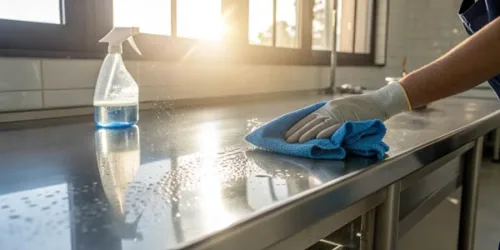
Nothing beats a factory-fresh 304 brushed stainless steel finish. Wouldn’t it be great to keep those surfaces gleaming forever? It’s a tough task. Fingerprints can leave lasting impressions. Water spots can quickly emerge. And mysterious streaks can magically appear overnight. It’s a tough lesson to learn: stainless steel isn’t stain free. In reality, it’s stain resistant. The good news? With proper care, the gleam of stainless steel can be preserved.
What’s In a Name?
Before we get into maintenance advice, let’s look closer at the true promise of stainless steel. “Stainless steel” does not represent a bait and switch! It actually refers to the material’s ability to resist rust and corrosion, rather than fingerprints and such. The resistance is a result of stainless steel’s chromium content. This makes it a reliable material that handles everyday wear well, particularly in wet environments. But it doesn’t make it immune to skin oils, watermarks, or discoloration.
How to Keep Your Stainless Steel Looking Its Best
Even though it’s inherently corrosion resistant, 304 brushed stainless steel requires specific care to prevent staining and pitting. Here are the key factors:
Daily Care and Cleaning:
Don’t Go Against the Grain! We’re starting with the most important point. Did you ever notice that some marks or fingerprints are far more visible that others? That’s due to the material’s grain. Those that go against it are far more visible, while ones that follow the directional path blends in. This is principle is important when it comes to maintenance. If you scrub across the grain, you can permanently scratch the finish or trap diret in the grooves. So always make sure you wipe, scrub and polish in the direction of the visible grain.
Mild Detergent – no need to get carried away with fancy cleaners here. For routine cleaning, a simple mixture of warm water and a few drops of mild dish soap will get it done.
Mircorfiber Cloths – ideally, you should use soft microfiber cloths to prevent micro-scratching on the surface.
Rinse and Dry – be sure to rinse the surface with clean water then buff it dry with a fresh cloth. If you leave water on it to air-dry, this can cause water spots or mineral deposits.
Handling Tougher Stains:
Fingerprints – keep in mind that these are produced by the oils that are left on the surface. To remove fingerprints, use a dedicated stainless steel cleaner or a small amount of glass cleaner to cut through and remove the oils.
Grease and Grime – for these more stubborn situations, use a paste made of baking soda and water. Simply apply the paste and let it sit for a few minutes. Then wipe away, and remember to follow the grain and not wipe against it.
Tea Staining/Rust Spots – if you see brown spots on your stainless, you can use a rejuvenator or mild abrasive cleaner like Bar Keepers Friend. Be sure to use a product that is safe for stainless, and rinse off completely after use.
What Not To Do
There are a few other precautions (besides that whole “go with the grain” thing) that we need to mention. You probably know most of this by now, but just in case:
AVOID:
Household Chemicals – these can permanently damage stainless steel especially those containing chlorine or bleach. These chemicals tend to break down the protective chromium oxide layer, which leads to rapid rusting.
Steel Wool/Carbon Steel Brushes – these can leave behind tiny iron particles that will rust and contaminate the surface.
Scouring Pads – you’ll also want to void those green or brown scouring pads. While they can be great on certain surfaces, they are very abrasive and will leave visible swirl marks or perform other damage.
Long Term Stainless Steel Protection
In addition to daily and routine maintenance, you can also protect stainless steel with a few readily available products. Ideally, you’ll want a silicone or oil-based stainless steel polish. These create a thin protective layer that helps repel both fingerprints and water.
Conclusion
Stainless steel provides an attractive, corrosion resistant finish. But it takes care and attention to maintain it. By following the steps we’ve shared with you today, you can enjoy the benefits and maintain a finish as close to stainless as you can get – as long as you don’t go against the grain!